 Brondby Hub
Analyzing Brøndby IF's Recent Tactical Form
Brøndby IF, affectionately known as De Gule, have displayed commendable form in the league, yet their performances reveal a mix of strengths and weaknesses that warrant tactical adjustments. As we dissect their recent matches, particularly focusing on player positioning, pressing intensity, and attacking fluidity, it's clear that a few tweaks could elevate their game, especially as they navigate a challenging fixture list ahead.
Current Formation and Player Roles
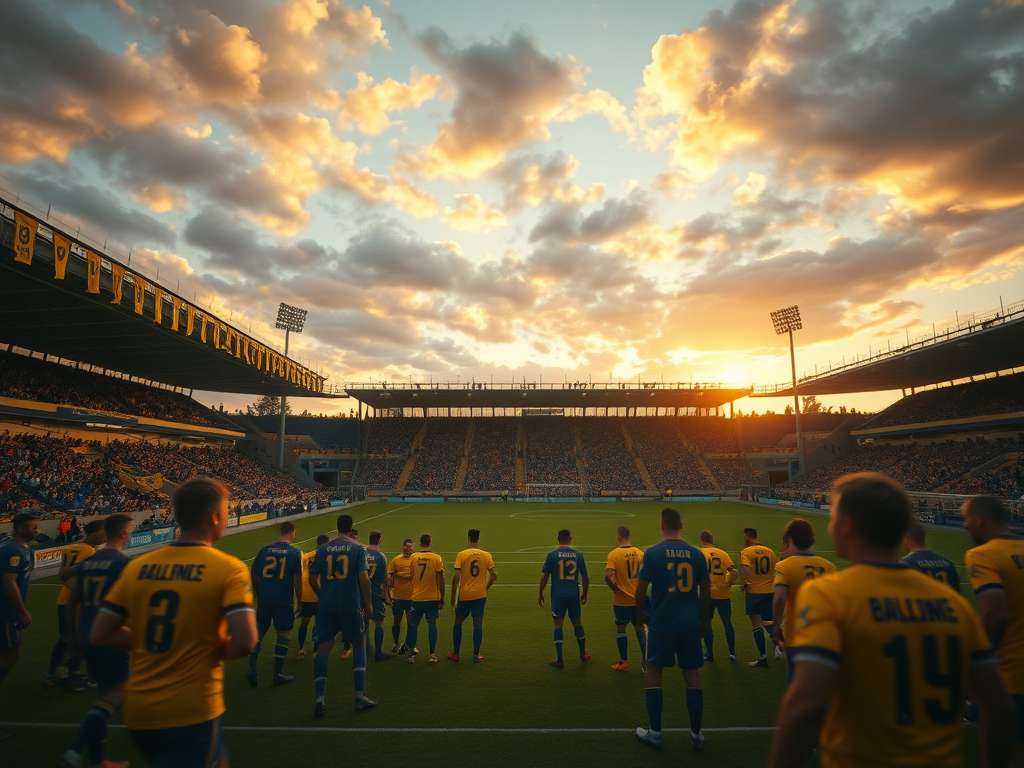
Currently, Brøndby has favored a 4-3-3 formation, which has provided width and attacking options. However, the execution has often left gaps in midfield, particularly when transitioning from defense to attack. The reliance on wing play has been evident, with wide players frequently receiving the ball in isolation. While this can stretch defenses, it has also led to a lack of coherent build-up play, resulting in missed opportunities in key areas.
Suggested Tactical Adjustments
1. Midfield Dynamics: One of the most pressing needs for Brøndby is to enhance the dynamics in midfield. Introducing a more fluid 4-2-3-1 formation could allow for better control and possession. The double pivot in the midfield would provide a more robust defensive shield while also facilitating quicker transitions, enabling forwards to exploit the space created.
2. Pressing Strategy: Although Brøndby has shown glimpses of effective pressing, especially in high areas, consistency is lacking. Adopting a more coordinated pressing strategy, where forwards and midfielders engage defenders as a unit, can disrupt the opponent's rhythm and create turnovers. This requires players like Anton Christiansen and J. Ambæk to work closely together, ensuring they maintain compactness and intensity without losing shape.
3. Attacking Variability: The current attacking approach often relies heavily on crossing from the wings. While this can be effective against certain defenses, diversifying the attack to include more central penetrative runs could yield better results. Incorporating overlapping full-backs and encouraging midfield runners to dart into the box can stretch defenses and create more goal-scoring opportunities.
4. Defensive Structure: Defensively, while Brøndby has shown resilience, there have been moments of vulnerability during transitions. Improving communication and positioning during these phases is essential. The back four needs to maintain a higher line when in possession to minimize the space available for counter-attacks, but they must also ensure they can retreat quickly when possession is lost.
Conclusion: Path to Improvement
In conclusion, while Brøndby IF has shown glimpses of their potential, tactical adjustments are essential to maximize their strengths and address weaknesses. Implementing a more dynamic midfield structure, refining the pressing game, diversifying attacking strategies, and tightening defensive organization will not only enhance their performances but also position them favorably in the league standings. As the season progresses, these tweaks could transform Brøndby into a formidable force, reigniting their title ambitions in the process.